Introduction
Home renovation is one of the biggest investments homeowners make. With proper planning and guidance, you can transform your space while staying within budget and timeline. Drawing from 18+ years of renovation experience, we'll guide you through the complete process.
Types of Home Renovations
Full Home Renovation
Complete transformation of the entire home including:
- All structural changes
- Electrical and plumbing updates
- Complete interior redesign
- New flooring, walls, and finishes
Room-by-Room Renovation
Systematic renovation of individual rooms
Kitchen Renovation
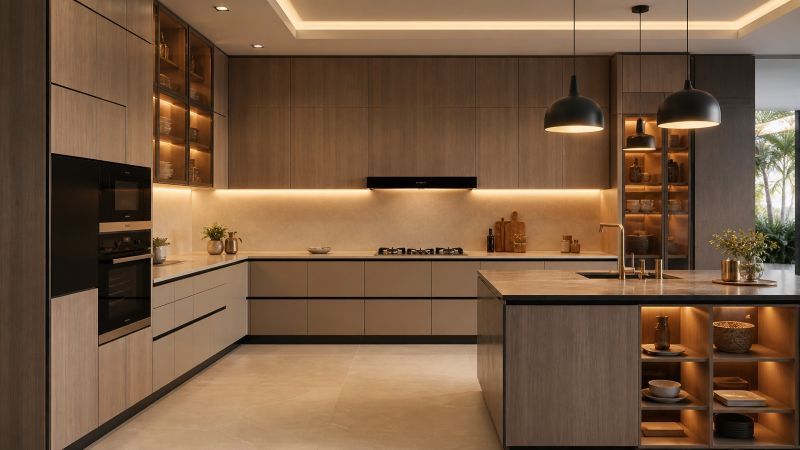
Modernizing the kitchen with new cabinets, appliances, and countertops
Bathroom Renovation
Updating fixtures, tiles, and overall bathroom design
Partial Renovation
Specific updates like new furniture, painting, or carpentry work
Planning Phase - Before You Start
1. Define Your Goals
- What do you want to achieve?
- Improve functionality or aesthetics?
- Increase home value?
- Create more space?
2. Assess Current Condition
- Inspect walls, flooring, electrical, plumbing
- Identify areas needing repair vs. cosmetic updates
- Check for structural issues
3. Gather Inspiration
- Create a mood board with designs you like
- Browse home design websites and magazines
- Collect color palettes and material samples
4. Create Detailed Plans
- Sketch room layouts
- Plan furniture placement
- Identify storage needs
- Consider traffic flow
Budgeting for Renovation
Establish Your Budget
- Determine total amount you can spend
- Consider 15-20% contingency for unexpected costs
- Prioritize must-haves vs. nice-to-haves
Budget Breakdown (Typical Home Renovation)
- Materials: 50-60% of total budget
- Labor: 30-40% of total budget
- Design & Consultations: 5-10% of total budget
- Contingency: 10-15% of total budget
Cost-Saving Tips
- Prioritize visible elements first
- Reuse existing materials where possible
- DIY non-technical work
- Shop for materials during sales periods
- Get multiple quotes from contractors
Timeline Planning
Typical Renovation Timeline
- Planning & Design: 2-4 weeks
- Permit & Approval: 1-2 weeks
- Demolition & Prep: 1-2 weeks
- Construction & Installation: 4-8 weeks
- Finishing & Details: 2-3 weeks
- Total: 10-20 weeks average
Factors Affecting Timeline
- Scope of work (full vs. partial)
- Material availability
- Structural issues discovered
- Weather conditions (external work)
- Contractor availability
Material Selection
Flooring Options
- Ceramic Tiles: Durable, easy to clean, variety of designs
- Wooden Flooring: Warm, elegant, requires maintenance
- Marble: Luxurious, cool to touch, can be slippery
- Laminate: Budget-friendly, mimics wood look
Wall Treatments
- Paint - Most economical and quick
- Wallpaper - Adds texture and pattern
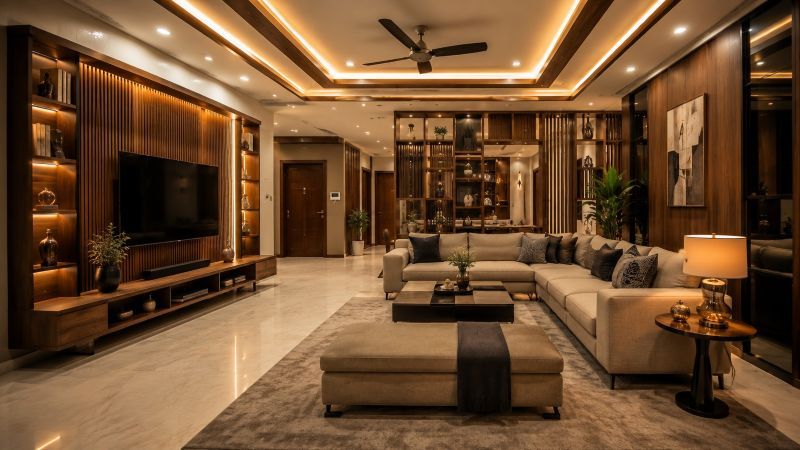
- Wood Paneling - Adds warmth and character
- Brick or Stone - Contemporary accent walls
Wooden Elements
- Teak: Premium choice for furniture and doors
- Sheesham: Excellent quality at value price
- Mango Wood: Eco-friendly and attractive
Finding the Right Contractor
Contractor Selection Criteria
- Verified experience in similar projects
- Valid licenses and insurance
- Professional references and portfolio
- Clear communication and responsiveness
- Transparent pricing
- Written contracts and warranties
Red Flags to Avoid
- Contractors demanding full payment upfront
- No written contract or estimates
- Lack of references or portfolio
- Unclear communication or responsiveness
- Suspiciously low quotes
During Renovation - What to Expect
Disruptions to Prepare For
- Noise and dust from construction
- Limited kitchen/bathroom access
- Power outages during electrical work
- Regular worker visits
Managing the Process
- Regular site inspections and progress checks
- Document work with photos
- Keep communication lines open
- Document any changes to original plan
Post-Renovation Steps
Final Walkthrough
- Inspect all completed work
- Test all systems and appliances
- Check for any defects or incomplete work
Documentation
- Keep all receipts and invoices
- Get warranty documentation
- Collect user manuals for appliances
Maintenance
- Follow recommended maintenance schedules
- Keep contractor contact for future needs
Common Renovation Mistakes to Avoid
- Not establishing clear goals beforehand
- Underestimating the budget
- Choosing contractors solely on price
- Not getting everything in writing
- Making impulsive design decisions
- Ignoring structural or foundational issues
- Poor ventilation and electrical planning
Popular Home Renovation Trends
- Open-plan living spaces
- Modern kitchen designs with smart storage
- Sustainable and eco-friendly materials
- Smart home technology integration
- Multi-functional spaces
- Natural lighting maximization
Conclusion
Successful home renovation requires careful planning, realistic budgeting, and finding the right professionals. Whether you're doing a full transformation or targeted updates, these guidelines will help you achieve your dream home.
Ready to Renovate?
Contact us for a free consultation. Our experienced team will help you plan, design, and execute your renovation project perfectly.
Recommended Woodworking Guides & South Goa Service Areas
Before finalizing your carpentry plans, explore our technical woodworking guides: consult our Carpentry Cost Guide and read the in-depth How to Choose a Carpenter.
Sant Mistri provides master craftsmanship, on-site measurements, and custom furniture installations across South Goa, including dedicated coverage in Salcete and Margao.