Introduction: The Soul of Goan Heritage Architecture
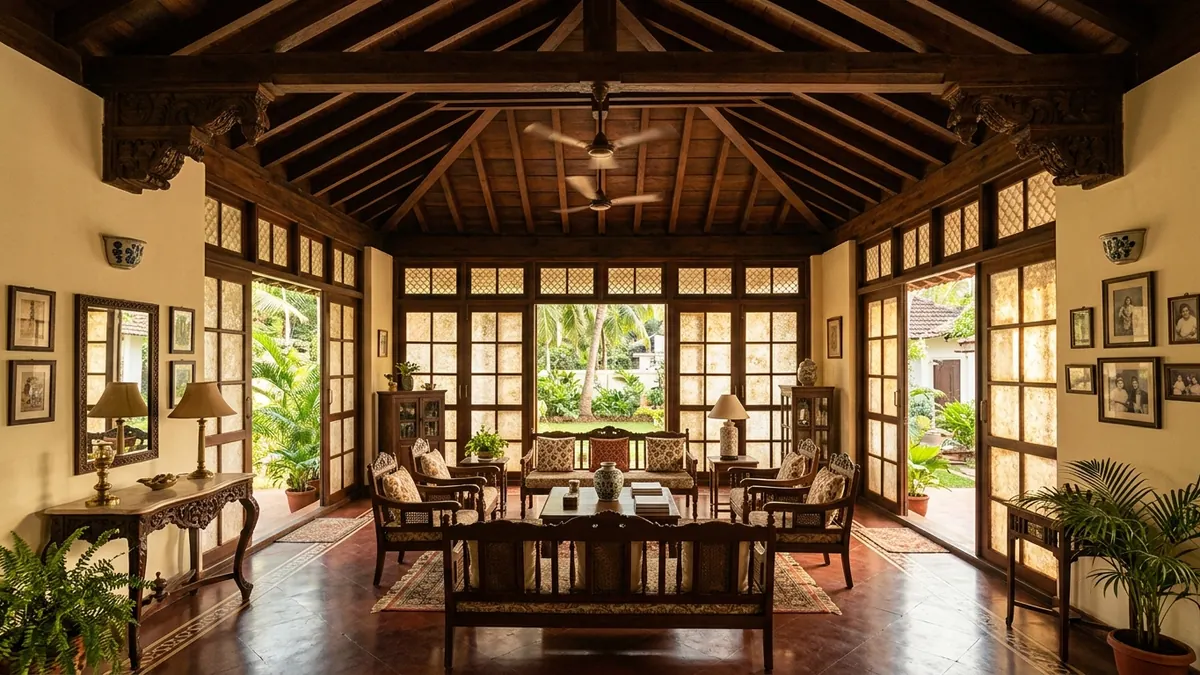
Goa's centuries-old Indo-Portuguese mansions, ancestral villas, and village homes in Salcete, Loutolim, Curtorim, and Chandor are architectural marvels. What gives these homes their timeless grandeur is their intricate woodwork: soaring timber roof trusses, hand-sculpted corbels, grand double doors, wrap-around balcão benches, and delicate translucent oyster-shell (carepa) windows.
However, surviving over a hundred Goan monsoons takes a heavy toll. Intense humid sea breezes, aggressive subterranean termites, woodborers, and decades of inappropriate modern patching often leave antique timber vulnerable. Restoring historical woodwork demands specialized carpentry techniques that honor heritage joinery rather than slapping on destructive modern screws and synthetic fillers.
Key Architectural Woodwork Elements in Goan Villas
Before beginning any restoration, an experienced master carpenter diagnoses the specific timber species and historical joinery methods originally deployed:
- Matti (Terminalia elliptica) & Teak Roof Trusses: Goan roofs traditionally use massive Matti logs for primary purlins and seasoned Malabar teak for rafters and tie-beams, assembled with hand-mortised joints secured by hardwood dowels (wooden nails).
- The Balcão (Entry Porch Woodwork): The quintessential Goan veranda features curved solid teak seats, fluted decorative balusters, and ornate porch columns that face direct rain and sun.
- Carepa / Oyster Shell Sliding Windows: Distinctive Goan windows use razor-thin, ground windowpane oyster shells (Placuna placenta) slotted into intricate wooden lattice frames, diffusing harsh midday sunlight into a golden glow.
- Carved Archways & Interior Cornices: High-ceilinged grand salons feature hand-carved floral scrolls, rosettes, and dental mouldings made of dense native timbers.
Step-by-Step Heritage Wood Restoration Process
Restoring 80 to 200-year-old timber requires surgical precision. Here is how Sant Mistri approaches villa wood restoration in South Goa:
1. Non-Destructive Structural Assessment & Tapping
We tap every beam and post with rubber mallets to locate hollow pockets caused by dry rot or subterranean termites. Moisture meters determine whether timber moisture exceeds 14%, ensuring structural drying before any new timber is spliced in.
2. Surgical Timber Splicing (Traditional Scarf Joints)
Instead of ripping out an entire 20-foot hand-hewn tie beam because 3 feet of the wall-embedded end is rotted, we perform a traditional scarf joint (halved or bladed scarf). We cut away only the degraded fiber, match seasoned salvaged antique teak of identical grain density, and bolt the splice with concealed epoxy anchors and wooden dowels.
3. Oyster Shell (Carepa) Lattice Rebuilding
Old Carepa window frames usually buckle when rusted iron nails split the wood. We disassemble the sashes, hand-mill micro-grooves into rot-resistant seasoned teak strips, clean salvageable oyster shells with warm dilute vinegar, and reassemble using brass pins and traditional linseed oil putty.
4. Gentle Paint & Varnish Stripping
Thick layers of synthetic enamel or peeling synthetic varnish are stripped using chemical paste strippers and brass wire brushes. We never use aggressive angle grinders, which destroy delicate 19th-century hand-tool markings and rounded patina edges.
Restoration Comparison: Heritage Carpentry vs Standard Modern Repairs
| Feature | Sant Mistri Heritage Restoration | Conventional Fast Repair |
|---|---|---|
| Timber Selection | Seasoned reclaimed antique Teak or Sal matching vintage grain | Commercial soft pine or unseasoned fast-growth wood |
| Joinery Technique | Mortise-and-tenon, bladed scarf joints, wooden dowels | Exposed drywall screws and cheap angle brackets |
| Weather Sealing | Breathable micro-porous oils & marine-grade UV clear coats | Heavy synthetic enamel paint that traps internal rot |
| Lifespan | 40 to 80+ years with regular maintenance | 2 to 4 years before wood splits and rots again |
Protecting Restored Villa Wood from Goa's Monsoons
Goa receives over 3,000 mm of rainfall during the Southwest monsoon accompanied by 90%+ relative humidity. To ensure your restored villa woodwork lasts another century, follow these preventative measures:
- Roof Tile Eaves Overhang: Ensure Mangalore roof tiles project at least 45 to 60 cm past the timber rafters to prevent direct wall-sheet runoff from saturating beam ends.
- Termite Barrier Injections: Prior to re-sealing floorboards and skirtings, inject chlorpyrifos-free botanical termiticide deep into wall masonry pockets.
- Annual Linseed Oil Conditioning: Treat outdoor balcão railings and veranda brackets with boiled linseed oil cut with pure turpentine every November following the monsoon.
Restoration Costs & Timelines in South Goa
Heritage woodwork restoration is a labor-intensive craft. Average costs in Margao, Salcete, and coastal heritage belts typically range between:
- Window Restorations (Carepa & Frame): ₹4,500 – ₹9,500 per double-shutter window depending on oyster shell replacement count.
- Rafter & Tie-Beam Splicing: ₹1,200 – ₹2,400 per running foot including structural bracing and timber matching.
- Balcão Woodwork Refurbishment: ₹15,000 – ₹45,000 for full seat realignment, baluster turning, and weatherproofing.
Recommended Woodworking Guides & South Goa Service Areas
Explore our technical woodworking guides for antique timber maintenance: check out the Goan Wood Guide and our guide on How to Maintain Wooden Furniture.
Sant Mistri specializes in heritage villa restoration and custom carpentry across South Goa, including on-site assessments in Margao, Curtorim, and Salcete.